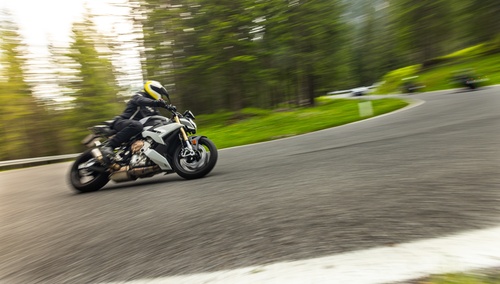
California law permits lane splitting when a motorcyclist rides between rows of stopped or moving vehicles in the same lane, subject to safe and lawful operation. California also requires motorcycle riders and passengers to wear compliant helmets. Neither fact decides fault after a crash. The circumstances, available evidence, and applicable law determine how a claim is evaluated.
What Is Lane Splitting in California?
Vehicle Code section 21658.1 defines lane splitting as driving a motorcycle between rows of stopped or moving vehicles in the same lane. The statute authorizes the California Highway Patrol to develop educational safety guidelines. Lane splitting is not automatically unlawful, but it is not an unrestricted right to ride at any speed or in any conditions. A rider must still operate safely and comply with other traffic laws.
The details can matter: traffic speed and movement, lane width, road conditions, visibility, the speed difference between vehicles, and what each driver did just before impact. The CHP publishes motorcycle safety information. Safety guidance can help explain good practices but does not itself determine civil liability.
Helmet Requirements and Injury Claims
California Vehicle Code section 27803 requires a properly fitted and fastened safety helmet for motorcycle operators and passengers, subject to the statute’s terms. A helmet should meet applicable federal safety standards. After a crash, helmet use and condition may be relevant to the injury evidence, but they do not by themselves establish who caused the collision.
Do not discard a damaged helmet or protective gear before documenting it. Photograph the item from multiple angles and store it safely. Medical records can help establish the nature and timing of injuries, while photographs, witness accounts, and scene evidence can help explain the crash mechanics.
Who May Be at Fault?
Fault may involve a motorist who changed lanes without checking, followed too closely, turned across a motorcycle’s path, or failed to yield. A rider’s speed, lane position, visibility, or other conduct may also be considered. More than one person can share responsibility.
California uses a comparative fault. A person’s share of responsibility may reduce the damages recoverable, but partial fault does not automatically bar a claim. An insurer’s initial view is not a final legal determination. Evidence and applicable law must be considered together.
Evidence to Preserve After a Motorcycle Crash
If you can do so safely, photograph the vehicles, roadway, traffic signs, skid marks, debris, lighting, and visible injuries. Obtain the other driver’s information, witness contact details, and the incident report number. Preserve riding gear, damaged parts, phone photographs, and communications with insurers. Keep a record of medical visits, symptoms, time missed from work, and expenses.
Prompt investigation can matter because video may be overwritten and vehicle evidence can be lost or repaired. Do not alter or repair a helmet or motorcycle before documenting its condition when practical. Follow medical advice, and do not return to riding until you are safe to do so.
Deadlines for a California Motorcycle Injury Lawsuit
A personal-injury action is generally subject to a two-year limitations period under California Code of Civil Procedure section 335.1. The clock often begins on the injury date, but accrual, tolling, minors, public entities, and other exceptions may affect the analysis. Claims involving a city, county, state agency, or government vehicle can have a much earlier claim-presentation deadline.
Do not assume insurance negotiations, medical treatment, or a police investigation pause the lawsuit deadline. A lawyer can review who may be responsible, whether a public entity is involved, and which deadlines apply. California Courts provides general civil lawsuit resources, but those resources are not a substitute for advice about a specific claim.
What to Do After a Motorcycle Collision
Call for emergency help when needed and move away from traffic if you can. Get medical attention, even if you think an injury is minor; some symptoms develop later. Exchange information and document the scene if safe. Be accurate when speaking with insurers and avoid guessing about speed, distance, or fault.
If a family member died in a motorcycle collision, different wrongful-death rules and deadlines may apply. Contact our office as soon as possible to get the answers you deserve regarding your case.
How Lane Position and Road Conditions Are Evaluated
An investigation may consider whether traffic was stopped or moving, how quickly vehicles were traveling, the width and condition of the roadway, weather, lighting, and whether another driver changed lanes or opened a door. Witnesses and nearby video can help reconstruct the sequence. There is no single speed threshold in the lane-splitting definition that resolves every crash; safe operation and the circumstances remain central.
Evidence should be preserved before vehicles are repaired or discarded. Photograph damage from several distances, retain estimates and parts where practical, and note whether a helmet visor, jacket, or other gear was damaged. A medical provider’s records can help connect symptoms to the collision, while an accident reconstruction may be considered in a disputed case.
Insurance companies may ask for a recorded statement or a broad medical authorization. You can ask what information is needed and take time to understand a document before signing it. Be truthful, avoid speculation, and correct an honest mistake promptly. Keep copies of all communications and avoid discussing the case on social media. These steps do not determine liability, but they help preserve a clearer record.
Does the 2 Year Deadline Apply to all Cases?
The two-year period is a general starting point, not a guarantee that every case has the same deadline. A wrongful-death claim, claim by a minor, or matter involving a public entity may use different rules. Preserve the date of the crash and get prompt advice if any government vehicle or roadway condition may be involved.
Photographs, written notes, and timely follow-up can make a later review more accurate. If you need to identify a witness or request a nearby business’s camera footage, do so promptly and lawfully. Do not trespass or attempt to obtain private recordings yourself; a lawyer can advise about appropriate preservation requests and formal discovery if a lawsuit is filed.
How Trevino Law Can Help
Our team can review the collision evidence, discuss potentially responsible parties, and explain the steps involved in an injury claim. We cannot promise a particular result, and every crash is different.
Learn more about our personal injury practice areas and contact Trevino Law, or call (661) 526-5012.
Frequently Asked Questions
Is lane splitting legal in California?
California law defines and permits lane splitting, but riders must still operate safely and comply with other traffic laws. The circumstances can affect whether conduct was reasonable.
Does lane splitting automatically make a motorcyclist at fault?
No. Lane splitting is not automatically unlawful, and fault depends on the conduct of everyone involved and the evidence.
Does not wearing a helmet prevent an injury claim?
A helmet requirement applies, and helmet use may be relevant to the evidence. It does not automatically determine collision fault or resolve every damages question.
How long do I have to file a motorcycle accident lawsuit?
Many injury claims have a general two-year period, but public-entity claims and other exceptions can require earlier action. Confirm the deadline for the specific claim.